Compute
Infrastructure
Uncompromising computational power. Built exclusively on the latest generation AMD EPYC architectures and enterprise-grade silicon engineered for sustained peak performance.
Silicon That Scales.
Our primary deployment utilizes the AMD EPYC™ 9004 series "Genoa" architecture built on a 5nm process node with Zen 4 cores. Massive L3 caches, AVX-512 instruction support, and the thermal efficiency to sustain high clock speeds under full load — not just in burst.
Platform Specifications
Engineered for Zero Bottlenecks
At the silicon level, EPYC 9004 delivers unmatched core density for multi-threaded workloads and industry-leading single-thread boost for latency-sensitive applications like game servers. Each compute node runs dedicated eight-channel DDR5 memory with hardware ECC, eliminating silent data corruption before it reaches your application.
We utilize NUMA (Non-Uniform Memory Access) pinning. Your virtual CPU cores and RAM are allocated on the same physical processor socket, cutting memory access latency and improving application performance by up to 15% compared to standard NUMA-unaware deployments.
All compute nodes mount local PCIe Gen5 NVMe arrays — not network-attached SAN storage. This eliminates the bottleneck introduced by storage fabrics entirely, delivering microsecond-level I/O latency directly to your instances.
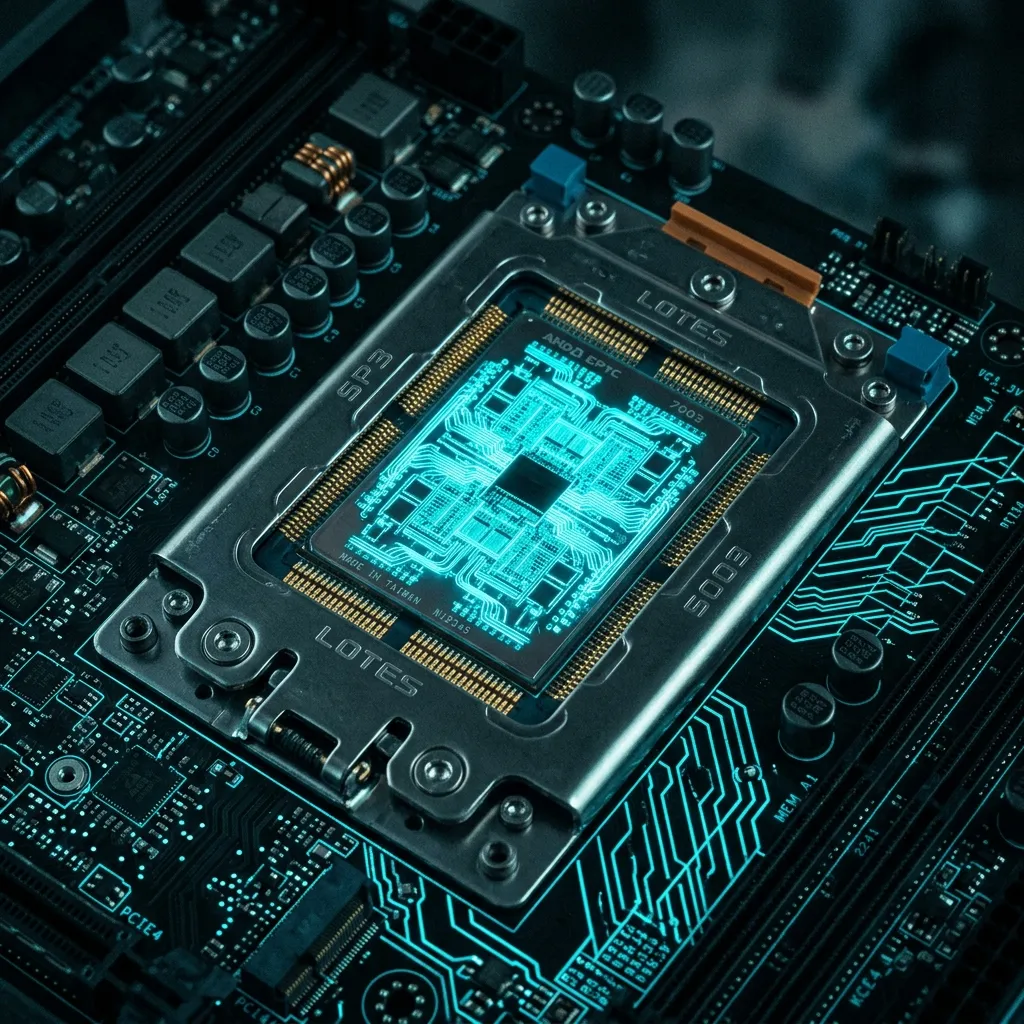
The Plex Scale Compute Standard
Enterprise rack density engineered for sustained peak performance.

No Compromises at Any Layer
Zero CPU Steal
Strict KVM hypervisor boundaries guarantee 100% of allocated CPU cycles. No noisy neighbors — ever.
Local NVMe Arrays
Gen5 NVMe mounts directly on each compute node. No SAN latency, no storage fabric congestion.
DDR5 ECC Memory
Hardware error correction prevents silent data corruption before it affects your running applications.
Optimized For Your Stack
Plex Scale vs Others
| Feature | Plex Scale | Other Hosts |
|---|---|---|
| CPU Architecture | AMD EPYC 9004 (Zen 4) | Previous-gen EPYC / Xeon |
| Memory | DDR5 12-ch ECC | DDR4 / Non-ECC |
| Storage Interface | Local PCIe Gen5 NVMe | SAN / SATA SSD |
| CPU Allocation | 100% Guaranteed (KVM) | Overprovisioned / Shared |
Common Questions
What processor architecture do you use?
How does NUMA pinning improve my VPS?
Is CPU access shared or dedicated?
Why local NVMe instead of network storage?
Deploy on Enterprise Silicon
Access AMD EPYC 9000-series performance for your workloads today.
24-hours money-back guarantee. No credit card required.